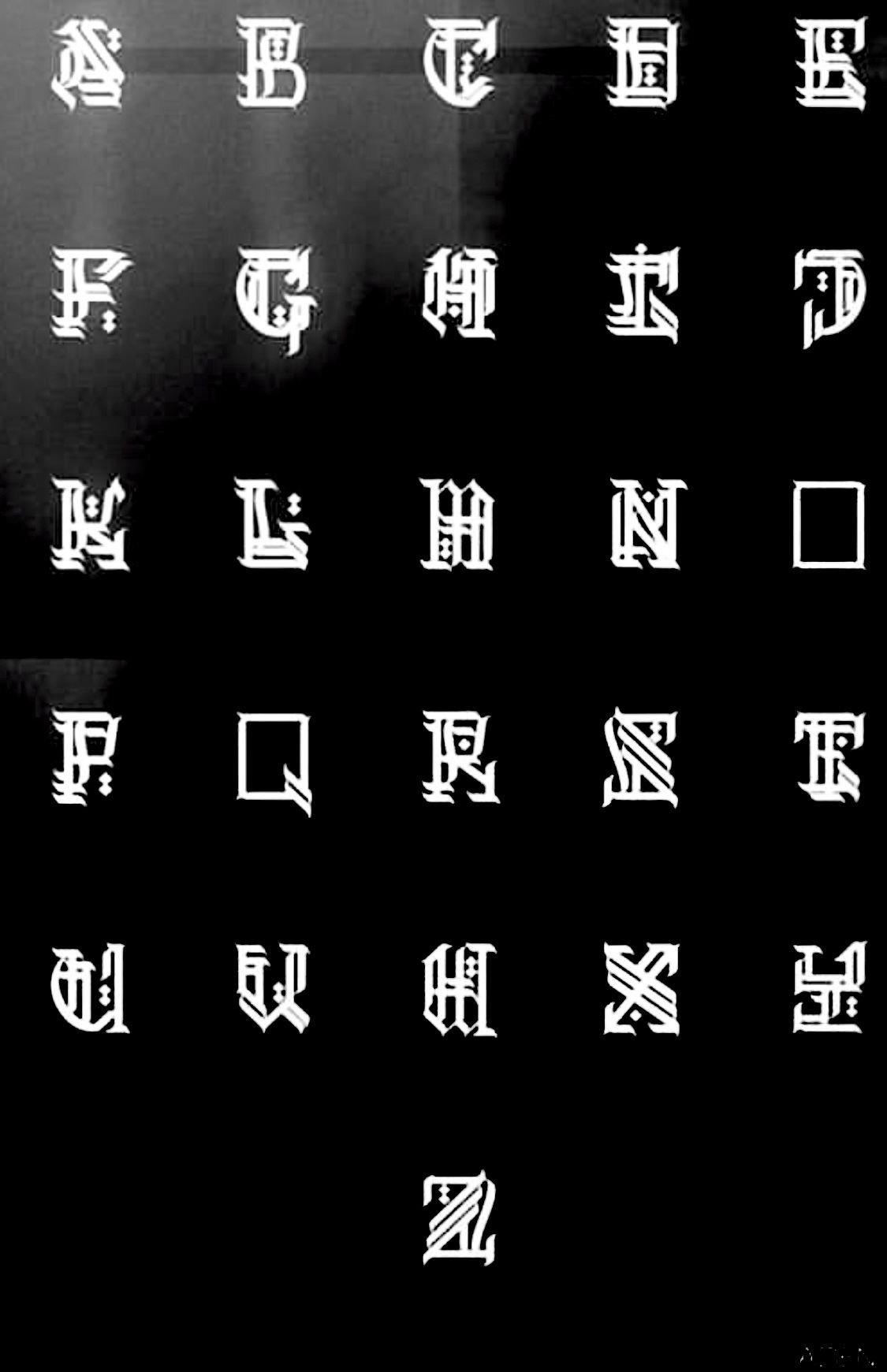
Forget everything you think you know about "just writing on walls." Exploring Different Graffiti Letter Styles and Typography reveals a rich, complex, and incredibly diverse visual language that speaks volumes, often without a single decipherable word. From the raw energy of a quick tag to the intricate dance of Wildstyle, graffiti letters aren't just shapes; they're declarations, artistic statements, and deeply personal signatures. If you've ever looked at a vibrant piece of street art and wondered how artists achieve such a breathtaking range of effects, you're in the right place. We're about to decode the visual vocabulary of this dynamic art form, showing you the distinct characteristics that define each style and how they contribute to the global conversation happening on urban canvases.
At a Glance: Your Quick Guide to Graffiti Letter Styles
- Foundational: Tags and Throw-ups are the quick, essential building blocks for artist recognition.
- Large-Scale: Blockbusters and Roller Graffiti maximize visibility, often on massive surfaces.
- Complex & Artistic: Wildstyle and 3D Graffiti showcase technical skill and intricate design.
- Reproducible: Stencils, Paste-ups, and Stickers offer speed, repetition, and wider messaging.
- Specialized: Bubble, Gothic, Calligraffiti, and Drip Effect bring unique aesthetic twists.
- Community & Context: Murals, Anti-style, and Regional forms connect art to place and people.
- Digital Frontier: Modern tools allow graffiti art to thrive on screens and in virtual spaces.
- Practice is Key: Mastering any style requires dedication, sketching, and understanding tools.
What Makes a Graffiti Letter Style?
At its heart, graffiti is about making a mark. But the way that mark is made—its shape, flow, dimension, and overall aesthetic—defines its style. Think of it like different fonts in digital design; each conveys a particular mood, message, or identity. In graffiti, these styles evolve organically, shaped by individual artists, regional scenes, available tools, and even the time constraints of public art. Understanding these distinctions is crucial, whether you're an aspiring artist, a curious enthusiast, or simply someone who appreciates the vibrant tapestry of urban art.
This exploration goes beyond basic definitions, delving into the practical applications and artistic nuances of each style, helping you appreciate the skill and intention behind every spray-painted stroke or meticulously designed letter. For those keen to dive deeper into the historical evolution of this art form, understanding the history and culture of graffiti provides invaluable context.
The Building Blocks: Foundational Graffiti Letter Styles
Every grand masterpiece often begins with a fundamental technique. In graffiti, these foundational styles are about immediate presence and establishing an identity.
Tags: The Artist's Quick Signature
A tag is the most basic and arguably the most widespread form of graffiti. It's an artist's signature or nickname, executed quickly, typically in one color. Tags are all about recognition and visibility, a rapid assertion of presence. While seemingly simple, mastering a tag's unique flow, readability, and subtle decorative elements (like stars or arrows) is a rite of passage for any graffiti artist. It's the most personal expression, a visual calling card.
Throw-ups: Speed, Flow, and Impact
Stepping up from the tag, a throw-up offers more complexity while still prioritizing speed. These typically feature bubble-style or block-style letters, often rendered in two or three colors. The goal is maximum impact in minimal time, usually comprising a quick outline and a solid fill. Throw-ups are perfect for quick exhibitions or gaining rapid street presence, demonstrating a flow and efficiency that's crucial in the urban landscape.
Dominating the Landscape: Large-Scale Graffiti Typography
Sometimes, you need to make a statement that can't be missed. These styles are designed for maximum visual impact across expansive surfaces.
Blockbusters: Bold and Unmissable
Blockbusters are exactly what they sound like: huge, bold block letters designed for maximum visibility. Typically using two or three colors, these pieces aim to cover vast areas with strong, geometric, and often easy-to-read letters. Artists like Katsu and Eggs are renowned for their blockbuster work, utilizing high-pressure spray paint or even emulsion paint to achieve their grand scale. These pieces often incorporate solid fills or brick-like textures, and while their size is daunting, using rulers or grids for proportion can aid in execution. Blockbusters are ideal for murals and public message art, ensuring the artwork is seen from a distance.
Roller Graffiti: Covering Vast Areas Efficiently
Similar to blockbusters in its aim for scale and boldness, roller graffiti uses paint rollers to cover massive areas quickly and cost-effectively. This technique is often employed on hard-to-reach locations like rooftops or highway overpasses, where the reach of a roller allows for giant pieces visible from a distance, often without the need for ladders or extensive scaffolding. It's a pragmatic approach to large-scale presence, using emulsion paint and large rollers to make an unmistakable mark.
Pushing Boundaries: Complex & Artistic Letter Forms
For artists who want to showcase their technical prowess and unique vision, certain styles offer a canvas for intricate design and optical illusions.
Wildstyle: The Abstract Art of Letters
Wildstyle is perhaps the most challenging and visually energetic graffiti style. It features interlocking, abstract letters adorned with arrows, curves, spikes, and extensions, often making it incredibly difficult for the uninitiated to read. This complexity is intentional; it's a profound display of the artist's creativity and skill. Pioneers like Tracy 168 pushed the boundaries of what letters could become. Approaching Wildstyle requires patience—sketching lightly, breaking down each letter, and watching tutorials can demystify its intricate dance. It's the pinnacle for advanced artists and transforms urban walls into complex, mesmerizing compositions.
3D Graffiti: Letters That Leap Off the Wall
Creating the illusion of depth, 3D graffiti makes letters or designs appear to pop off the surface. This style relies on masterful use of shadows, highlights, multiple layers, and perspective techniques. Artists like Edgar Mueller are famous for their mind-bending optical illusions. To excel here, understanding basic one-point and two-point perspective is crucial, as is using varying shades and tones to convincingly convey depth. It's a fantastic style for digital art and wall installations, giving the artwork an immersive, almost sculptural quality.
Speed, Scale & Statement: Quick-Fire & Reproducible Techniques
Not all graffiti needs to be freehand. These styles leverage tools and methods for rapid deployment and often, mass reproduction of a message.
Stencils: Precision and Repetition
Stencils involve using pre-cut shapes to spray images or words, allowing for mass reproduction with clean, sharp edges. Often monochrome, stencil graffiti frequently conveys political or social messages, as famously exemplified by Banksy. The beauty lies in its replicability and precision. When creating stencils, using durable materials like plastic or thick paper is key. Spray adhesive helps achieve crisp lines, and combining multiple stencils can create intricate, layered effects. It’s an effective method for street campaigns and protest art, delivering a clear message repeatedly.
Paste-ups: Detailed Designs on Paper
Paste-ups offer an alternative for artists who want to create detailed designs or messages without painting directly on walls. These artworks are created on paper or other pliable materials, often at home, and then glued to city walls using wheatpaste. This method allows for greater intricacy and control during the creation phase, making it ideal for elaborate designs that might be too time-consuming or risky to execute directly on the street.
Stickers: Portable Branding and Quick Messages
Small, self-adhesive artworks, stickers are perfect for personal branding, quick tags, or conveying messages without the need for paint. Often referred to as "slaps," they are highly portable and can be deployed rapidly in various urban environments. Stickers allow artists to leave a mark, promote their work, or disseminate quick messages in a low-risk, high-frequency manner.
Crafting Distinctive Looks: Specialized Graffiti Lettering Styles
Beyond the foundational techniques, artists continually innovate, developing specialized lettering styles that push aesthetic boundaries and convey unique moods.
Bubble Graffiti: Playful and Approachable
Bubble graffiti features round, soft, and puffy letters with exaggerated rounded edges and thick outlines. Often colorful and playful, this style is incredibly popular, especially among beginners, due to its forgiving nature and appealing aesthetic. Exaggerating curves, adding 3D drop shadows or highlights, and using light, bright colors truly make bubble letters pop. They're excellent for youth-focused designs, clothing art, and for artists looking to learn the ropes. If you're looking to generate some unique letter styles to practice with, a graffiti letters generator can be a fantastic tool to spark creativity.
Gothic / Old English Graffiti: Elegance with an Edge
This classic style brings an air of elegance and tradition to the urban landscape, heavily influenced by medieval script. Gothic, or Old English, graffiti is characterized by sharp lines, dramatic contrast between thick and thin strokes, and decorative serifs. It demands precision and a study of traditional Gothic calligraphy to truly master. Using fine-tipped markers or specialized spray caps is essential for capturing the intricate details. This style is often seen in tattoos, album covers, and poster art, lending a sophisticated, powerful aesthetic.
Calligraffiti: Bridging Cultures and Art Forms
Calligraffiti blends the flowing strokes and discipline of traditional calligraphy with the raw energy of urban graffiti. This hybrid style often incorporates cultural or script-based forms, such as Arabic or Chinese characters, with an artistic flair. It's a testament to the artist's ability to fuse different traditions into a cohesive new expression. Studying calligraphy techniques from various cultures and practicing long, smooth strokes with brushes or brush-tipped markers are key to developing this unique aesthetic. Calligraffiti is frequently featured in high-concept walls and cultural exhibitions, creating a dialogue between ancient art forms and contemporary street art.
Drip Effect Graffiti: Raw, Rebellious, and Visceral
The drip effect is a raw, rebellious style that intentionally incorporates visible paint drips for a chaotic, powerful, and imperfect aesthetic. It's about embracing the "happy accidents" of the medium, featuring imperfect edges and strong color contrasts that add to its gritty appeal. To achieve this, artists often use high-pressure spray cans and allow the paint to run and accumulate, creating a visceral, energetic backdrop. This style is often found in underground art and provides a bold, unrefined energy.
Beyond Letters: Community, Scale, and Artistic Expression
Graffiti isn't always just about individual letters; sometimes it's about the bigger picture, the message, or the community it serves.
Murals: Collaborative Storytelling on a Grand Scale
Murals are large-scale artworks that transform plain walls into vibrant, expressive canvases. Often blending traditional art techniques with street art aesthetics, they frequently feature characters, abstract designs, or intricate narratives that tell stories or foster community engagement. Unlike quick tags, murals are often commissioned works, allowing artists the time and resources to create detailed, intricate designs that become landmarks. They represent a significant investment in urban beautification and cultural expression.
Anti-style: Deliberate Disruption
Anti-style is a rebel form of graffiti that intentionally subverts traditional conventions. It eschews aesthetic "rules," employing messy lines, unconventional shapes, and clashing colors to make statements about community identity or simply to challenge the status quo. It's often deliberately unpolished, aiming to provoke thought rather than adhere to established beauty standards. For those interested in the broader vocabulary and definitions of the art form, understanding core graffiti terms can help decode the nuances of anti-style and other less conventional forms.
Unique Regional Forms: Local Flavor, Global Language
Graffiti is a global phenomenon, but it's also deeply local. Many regions develop unique forms and styles inspired by local culture, social issues, or indigenous symbols. This can involve incorporating local slang, specific color palettes, or visual motifs that resonate with the community. These regional variations give graffiti profound cultural significance, sparking dialogue between art and the community it serves, reflecting local identities on urban surfaces.
Graffiti in the Digital Age: Virtual Walls and Screens
The evolution of technology has opened new frontiers for graffiti artists, allowing them to explore styles and concepts beyond physical walls.
Digital Graffiti: The Virtual Canvas
Digital graffiti involves creating letter styles and designs using tablets, apps, and various design software. This form is characterized by clean lines, often glowing or neon textures, and the unparalleled ease of online shareability. Software like Procreate, Photoshop, or Illustrator are common tools. Artists can experiment with an endless array of digital brushes and layering techniques, converting their digital pieces into NFTs, print-on-demand designs, or even animations. Digital graffiti is perfect for social media art, clothing design, animation, and visual effects, proving that the spirit of graffiti thrives beyond the physical realm.
Finding Your Flow: Tips for Aspiring Graffiti Artists
The journey into graffiti art, like any creative endeavor, begins with practice and a willingness to experiment.
- Start with the Basics: Before tackling Wildstyle, master your tags and simple bubble letters. These foundational skills build muscle memory and understanding of letter structure.
- Sketch Relentlessly: Use blackbooks (sketchbooks) to develop your ideas, experiment with letterforms, and plan out pieces. This allows for iteration without commitment.
- Study and Observe: Look at established artists, both past and present. Analyze how they construct letters, use color, and create flow.
- Understand Your Tools: Different spray caps (fat caps, skinny caps), paints, and surfaces will yield different results. Experiment to see how they impact your style. A guide to graffiti art supplies can be invaluable here.
- Develop Your Handstyle: Your tag is your fingerprint. Practice it until it's fluid and unique.
- Experiment with Fills and Effects: Once your outlines are solid, play with solid fills, fades, textures (like brick or chrome), and drop shadows to add depth and interest.
- Seek Feedback: Share your work (online or with trusted peers) and be open to constructive criticism.
- Practice Legally: Seek out legal walls, community projects, or practice on large canvases at home to hone your skills without legal repercussions.
- Don't Be Afraid to Innovate: Once you understand the "rules," you'll know how to break them creatively.
Common Questions About Graffiti Styles
How long does it take to learn graffiti styles?
Learning the basics of styles like tags and throw-ups can happen relatively quickly with consistent practice, perhaps a few weeks to months. However, mastering complex styles like Wildstyle or 3D graffiti can take years of dedicated sketching and painting. It's an ongoing journey of refinement and innovation.
Can graffiti be considered typography?
Absolutely. While often unconventional, graffiti artists meticulously design and arrange letterforms, focusing on legibility (or intentional illegibility), spacing, weight, and overall visual impact. These are core tenets of typography. Graffiti pushes the boundaries of traditional type design, creating dynamic and expressive letter systems. To better understand this intersection, explore how artists choose and adapt graffiti fonts for their pieces.
What's the difference between graffiti and street art?
Graffiti typically focuses on stylized lettering (tags, throw-ups, pieces) and evolved from specific subcultures, often with an element of illegality or unsanctioned placement. Street art is a broader term encompassing various art forms (stencils, paste-ups, murals, installations) done in public spaces, often with a greater emphasis on imagery, characters, or direct messaging, and can include sanctioned works. While there's overlap, graffiti is a specific subset of street art.
Is all graffiti illegal?
No. While historically much graffiti was unsanctioned, today many artists create legal murals, commissioned pieces for businesses or public spaces, or participate in organized street art festivals. Legal walls exist in many cities specifically for graffiti artists to practice and display their work without fear of legal consequences.
Your Journey into Graffiti Typography
The world of graffiti letter styles and typography is a vibrant, ever-evolving landscape. From the raw, immediate impact of a tag to the intricate, layered complexity of Wildstyle, each style offers a unique voice and a different way for artists to express themselves. Whether you're drawn to the bold simplicity of a blockbuster or the playful curves of bubble letters, there's a style that speaks to every aesthetic.
Understanding these different approaches not only deepens your appreciation for the art but also empowers you to explore your own creative potential. So, pick up a pen, a marker, or even a digital tablet, and start sketching. The urban canvas, or the digital one, awaits your unique mark. The journey of exploring, practicing, and eventually mastering these diverse styles is an artistic adventure well worth taking.